

How to Install Kitchen Cabinets: The Complete DIY Guide
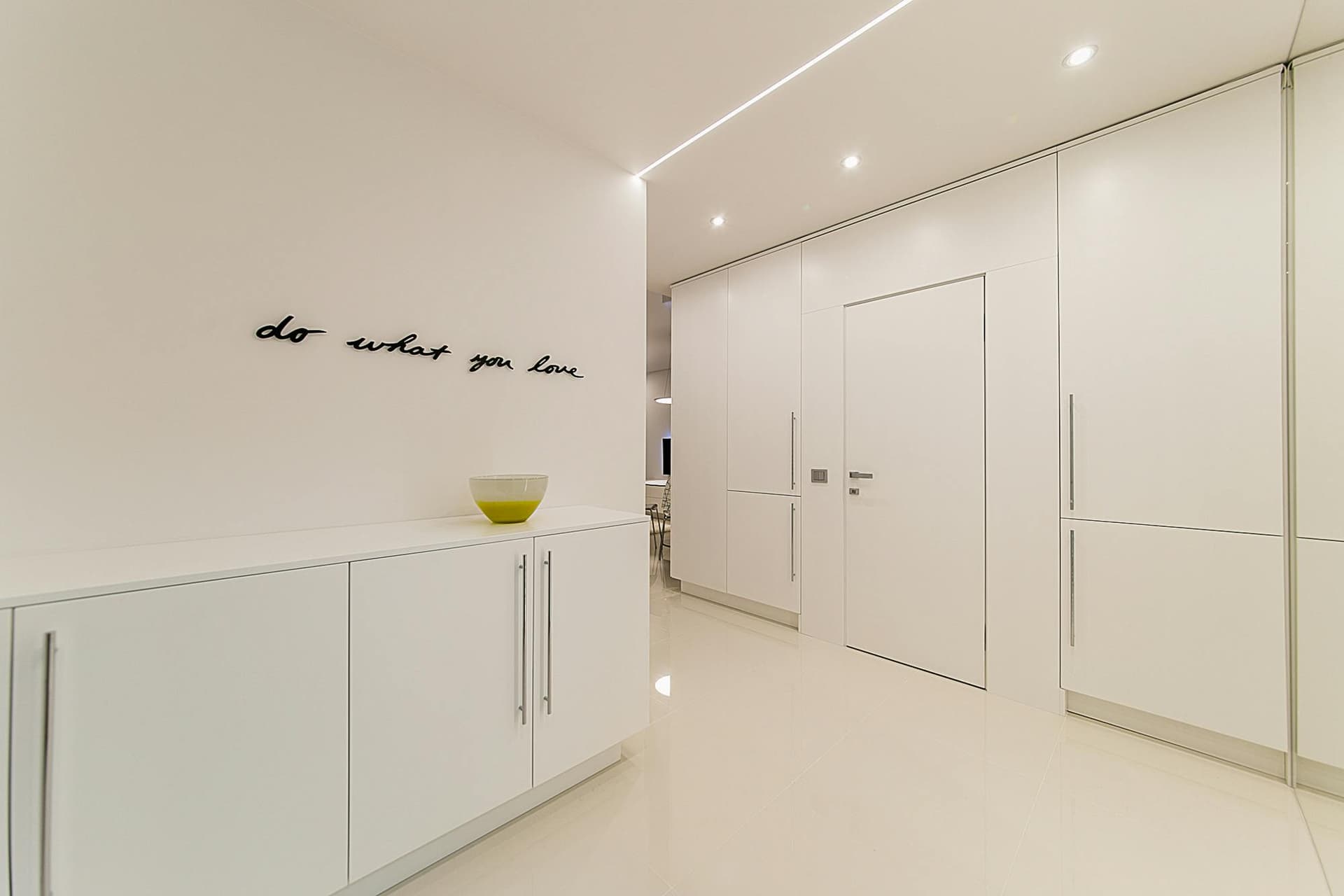
Ready to install your own kitchen cabinets? This comprehensive guide covers every step from preparation and tool lists to upper cabinet mounting, base cabinet levelling, and final adjustments for professional-quality results.
Tools and Materials You Need to Install Kitchen Cabinets
Before you start, gather everything in one place. Missing a single tool mid-install means stopping work and losing momentum. Measuring and Layout Tools: - 4-foot spirit level (essential for checking horizontal and vertical) - Laser level for projecting reference lines across walls - Tape measure (at least 5m) - Carpenter's square for checking 90-degree angles - Pencil and masking tape for marking Power Tools: - Cordless drill/driver with clutch settings - Impact driver for driving screws into studs quickly - Circular saw or jigsaw for cutting filler strips and scribing - Hole saw kit for plumbing and electrical cut-outs Fasteners and Hardware: - 65mm cabinet screws for wall mounting - 30mm screws for joining cabinets face-to-face - Timber shims in assorted thicknesses - Cabinet clamps for holding units together while joining - All manufacturer-supplied hardware (hinges, handles, drawer slides) Safety Equipment: - Safety glasses when drilling overhead - Knee pads for base cabinet work - Gloves for handling raw board edges Pro tip: Hanova RTA cabinets ship with all required hardware included — you just need the tools listed above.
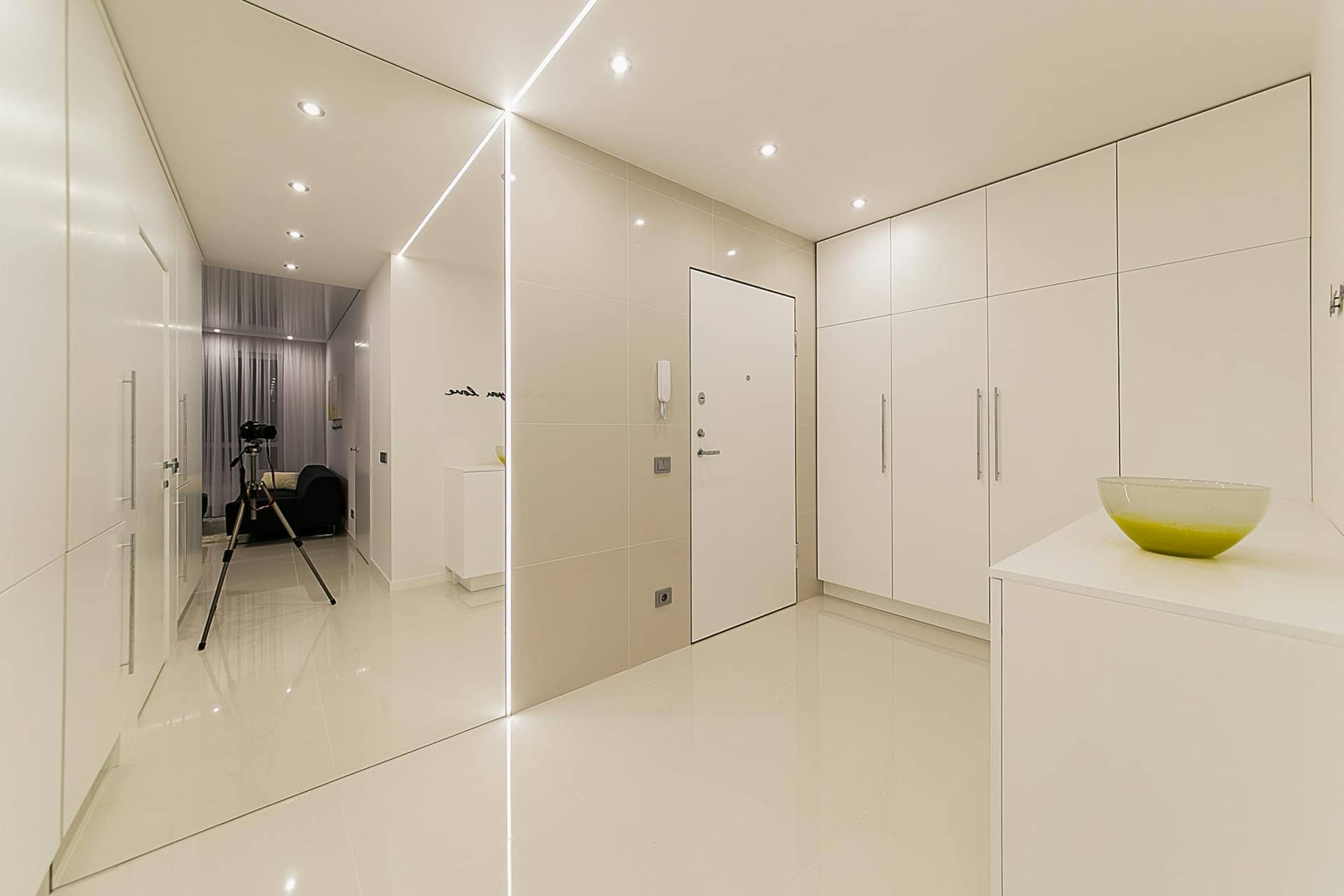
Step 1: Measure, Plan, and Mark Your Layout
Accurate layout is the single most important step. Every cabinet that follows depends on the first reference lines you draw. Find the High Point of the Floor: Place your level on the floor along each wall where base cabinets will sit. Mark the highest point — this is where you measure up from to set your cabinet height. Standard Australian base cabinet height is 720mm for the cabinet box, plus 870mm total with a 150mm kick (toe) board. Mark the Reference Lines: Using a laser level, draw a perfectly horizontal line at 870mm above the floor's high point. This is your base cabinet top line. Then draw a second line at 1370mm (500mm above the base line) — this marks the bottom of standard wall cabinets, assuming a 500mm splashback space. Locate and Mark Wall Studs: Use an electronic stud finder to locate every stud along the wall. Mark them clearly with vertical tape lines extending above and below your reference lines. Wall cabinets must be screwed into studs — plasterboard alone cannot support the weight. Map Utilities: Mark the position of power points, plumbing outlets, rangehood ducting, and gas lines. You'll need to cut holes in cabinet backs for these, so knowing their exact position prevents costly mistakes. Dry-Fit the Layout: Position all base cabinets (unattached) along the wall in their planned locations. Check for conflicts with utilities, uneven walls, and ensure you have the right filler strips for any gaps.
Step 2: Install Upper Wall Cabinets First
Always install wall cabinets before base cabinets. With base cabinets in the way, you can't get close enough to the wall, and you risk damaging benchtops. Install a Temporary Ledger Board: Screw a straight piece of timber horizontally along your lower wall cabinet reference line (1370mm). This supports the weight of wall cabinets while you drill and level them — far easier and safer than holding a heavy cabinet overhead. Start with the Corner Cabinet: If your layout includes a corner, begin there. Set the cabinet on the ledger, check level in both directions, and shim if needed. Drill pilot holes through the cabinet's rear mounting rail into the wall studs, then drive 65mm screws. Use at least four screws per cabinet — two top, two bottom — each into a stud. Work Outward from the Corner: Place the next cabinet on the ledger and butt it against the first. Use cabinet clamps to hold the faces flush, then drill and drive 30mm screws through the face frames (or side panels on frameless cabinets) to join them. Check level again before wall-mounting. Repeat for Each Cabinet: Continue along the wall, clamping, joining, levelling, and screwing into studs. Check the entire run with a long level periodically — small errors compound over a long run. Common Wall Cabinet Mistakes to Avoid: - Screwing into plasterboard instead of studs (cabinets will pull away under load) - Skipping the ledger board (risks dropping and damaging cabinets) - Not checking level between each cabinet (doors won't align) - Forgetting to pre-drill (splits the mounting rail)
Step 3: Install Base Cabinets
Base cabinets are easier to handle but trickier to level because Australian floors are rarely perfectly flat. Start at the High Point: Position the first base cabinet at the floor's highest point (the spot you marked earlier). This cabinet sits directly on the floor. Every other cabinet is shimmed up to match this height. Level and Shim: Place your level on top of the cabinet. Slide shims under the cabinet at the front, back, and sides until the top reads perfectly level in both directions. For large gaps, stack multiple shims. Once level, secure the cabinet to the wall studs through the rear mounting rail. Join Cabinets Together: Clamp adjacent cabinets with their tops perfectly flush, then screw through the face frames or side panels with 30mm screws. Check level across the joined cabinets — adjust shims if the second cabinet is pulling the first out of level. Work Along the Wall: Continue setting, shimming, levelling, and joining. For runs longer than 3 cabinets, periodically check the entire run with a straight edge or string line to catch any bowing. Handle Corner Cabinets: Blind corner base cabinets need extra attention. Ensure the pull-out or lazy Susan mechanism clears adjacent doors. Leave the manufacturer-recommended clearance (usually 75-100mm) between the corner unit and the adjoining cabinet. Secure to the Floor (Optional but Recommended): On tiled or concrete floors, angle-bracket the kick board to the floor for extra stability, especially for cabinets that will support heavy benchtops like stone.
Step 4: Fit Doors, Drawers, and Hardware
With all cabinet boxes secured and level, it's time for the components that people actually see and touch every day. Hang Doors: Attach hinges to the doors first (most Hanova cabinets use 35mm European cup hinges). Then mount the hinge plates inside the cabinet and clip the doors on. European hinges allow three-way adjustment — in/out, up/down, and side-to-side — so you can fine-tune alignment after hanging. Install Drawer Slides: Mount the cabinet-side slide rails at the positions marked inside the box. Then attach the drawer-side rails to each drawer and slide them into place. Test each drawer for smooth, full-extension travel. Adjust the rail height with the built-in adjustment screws if drawers sit unevenly. Attach Handles and Knobs: Use a cabinet hardware jig or a simple cardboard template to mark handle positions consistently across every door and drawer. Drill from the front face to prevent chip-out on the visible surface. Hanova's soft-close hinges and slides are pre-included, so you won't need to purchase these separately. Adjust Everything: Close every door and drawer. Look down the row of doors — they should form a straight, consistent line. Adjust hinges until doors are evenly spaced (usually 2-3mm gaps). Ensure drawers don't rub against adjacent doors or face frames. Install Trim and Fillers: Cut filler strips to cover gaps between cabinets and walls. Scribe them to match uneven wall surfaces for a tight fit. Add crown moulding or light pelmets to the top of wall cabinets for a finished look. Run a thin bead of silicone where cabinets meet the wall to seal against moisture.
Step 5: Final Checks and Common Problems
Before calling the job done, run through this checklist used by professional installers. Alignment Check: - All doors hang evenly with consistent gaps - Drawers open and close smoothly without catching - Cabinet faces are flush where units join - No visible gaps between cabinets and walls (fillers fitted) Structural Check: - Every wall cabinet is screwed into at least two studs - Base cabinets are shimmed level and secured to the wall - No cabinet rocks or moves when you push against it - Benchtop support points are solid (no unsupported spans over 600mm) Functional Check: - Soft-close mechanisms engage on every door and drawer - Corner cabinet mechanisms (lazy Susans, pull-outs) operate freely - No doors or drawers interfere with adjacent ones - All cut-outs for plumbing and electrical are sealed Troubleshooting Common Issues: - Doors won't align: Check that the cabinet box is square and the wall mounting screws aren't pulling it out of shape. Loosen, re-shim, and re-tighten. - Drawers stick: Ensure slides are mounted perfectly level. Even 1-2mm difference front-to-back causes binding. - Gaps at the wall: Scribe a filler strip to match the wall contour. Use a compass set to the widest gap. - Cabinets feel loose: Add extra screws into studs. For plasterboard walls without accessible studs, use toggle bolts rated for the load. If you run into issues you can't resolve, Hanova offers professional cabinet installation services in Perth — we're happy to finish what you started.
Explore Our Products
Ready to start your cabinet project? Browse our range:
Related Articles
5 Essential Tips for Cabinet Maintenance
Want your cabinets to look new for years to come? These 5 simple maintenance strategies will extend the life and beauty of your investment.
Maximizing Small Kitchen Spaces: Expert Tips and Solutions
Wondering how to make the most of your small kitchen? Here are proven strategies to transform limited space into a functional, beautiful cooking area.
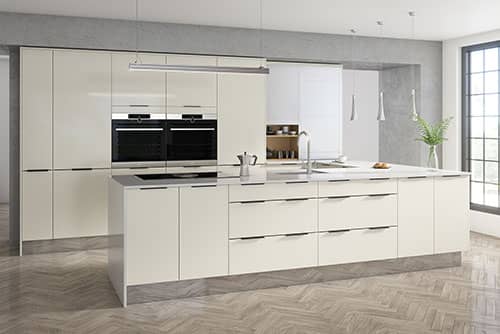
The Ultimate Guide to Cabinet Finishes: Making the Right Choice
Confused about which cabinet finish is right for your home? Here's how to select the perfect finish balancing style, durability, and maintenance needs.